USA eSIM for Business Travelers and Digital Nomads 2026

Roami Team
Roami offers reliable eSIM plans, serving over 1 million travelers annually, and supports automatic local network switching to help travelers stay connected globally.
📑 Table of Contents
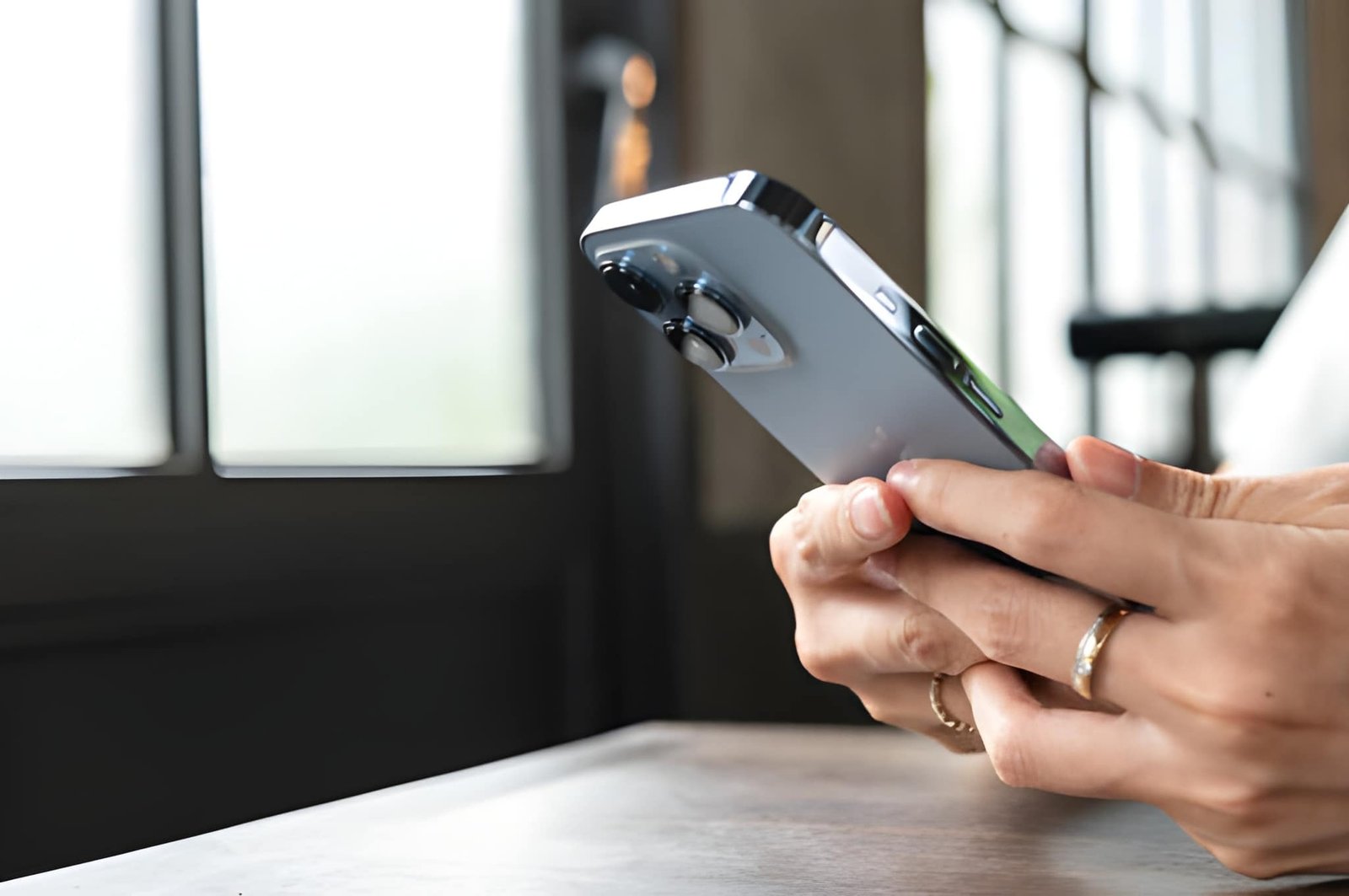
Finding the best eSIM for business trip USA starts with your data needs. Business travelers and US eSIM digital nomad users alike consume 2-5 GB of data per day, with video calls alone using 500 MB to 1.5 GB per hour. T-Mobile covers most of the US population with 5G, but Verizon leads in rural reach. This guide compares the best USA eSIM plans for remote work, long stays, and business travel.
If you want to test a USA eSIM plan for business use before committing to a plan, you can try a free eSIM option that lets you go through the full setup process. Code WEB20 takes 20% off any plan.
What business travelers and digital nomads need from an eSIM
Key takeaways: Tello wins best overall for business travel with a US number, from 10GB at $15 to unlimited at $35/month. Ubigi’s 25GB at $24 is the cheapest per-GB data-only option, and Google Fi’s Simply Unlimited at $65/month suits multi-device travelers. T-Mobile dominates 5G speeds in all major US cities, while AT&T offers the best rural coverage. The main caveat is that single-network providers like Ubigi (T-Mobile only) leave you without a fallback in congested or rural areas.
Hotspot for USA eSIM remote work. Not all eSIMs allow hotspot. Some cap it. If you need to connect your laptop at coffee shops, coworking spaces, or hotels, hotspot support is non-negotiable. Ubigi and Saily both offer unlimited hotspot with no throttling. Holafly caps hotspot at 500MB/day — enough for one video call, not a full workday. For USA eSIM for remote work travelling, unlimited hotspot is essential. See the USA eSIM provider comparison for a side-by-side look at hotspot policies across all major carriers.
US phone number for calls and SMS. If you need to make client calls, receive SMS verification, or give a US number to colleagues, a data-only eSIM won’t work. Tello offers the best per-GB pricing with a US number. Google Fi supports multi-device setups with a number. The USA eSIM with phone number guide has a full comparison of providers that offer voice and SMS capabilities.
USA eSIM long stay pricing. Monthly plans or plans with 30-day validity are better value for extended stays. Tello’s 30-day plans include a US number. Ubigi offers 25GB for $24 with 30-day validity. For digital nomads planning extended stays, Tello’s unlimited plan at $35/month with a US number is the best long-term value. Prepaid carrier plans from T-Mobile and AT&T also offer 30-day options with native network priority. For a detailed breakdown of pricing across different stay durations, check out the USA eSIM price guide.
Multi-device support. Google Fi works across phones, tablets, and laptops on one account. Airalo and other international eSIMs are single-device — you’d need a separate plan for each device or use hotspot. For USA eSIM for multiple device laptop iPad, Google Fi is the most seamless option, though Tello’s hotspot is a cost-effective alternative. For dual-SIM setups with a primary and secondary line, the USA eSIM dual SIM setup guide walks through the configuration steps.
Annual plan options. For frequent travelers who visit the US regularly, an annual plan can simplify connectivity. Google Fi’s Simply Unlimited at $65/month ($780/year) and Tello’s 30-day auto-renewal at $35/month ($420/year) are both available year-round. For USA eSIM for frequent traveler annual plan, Tello’s monthly model is more flexible and significantly cheaper than annual commitments from other providers, while Google Fi offers multi-device support that annual plans from other carriers don’t match.
VPN compatibility for secure remote work
Business travelers and digital nomads frequently connect to public WiFi in airports, coffee shops, and hotel lobbies. A VPN adds an encryption layer that protects sensitive company data from potential interception on unsecured networks. Here is how major eSIM providers handle VPN traffic:
| Provider | VPN compatibility | Speed impact with VPN | Recommended VPN |
|---|---|---|---|
| Ubigi | Full support | ~10-15% overhead | WireGuard-based (Mullvad, Proton) |
| Tello | Full support | ~10-15% overhead | Any VPN service |
| Google Fi | Full support | ~10-15% overhead | Google’s built-in VPN (Pixel) or third-party |
| Airalo | Full support | ~10-15% overhead | Any VPN service |
| Saily | Built-in VPN included | ~20-30% overhead (always-on) | NordVPN (same parent company) |
VPN usage adds approximately 5-15% to your data consumption due to encryption overhead. For a business traveler using 10GB per month, this means an extra 0.5-1.5GB of data usage. Providers like Saily bundle VPN protection directly into the eSIM plan, which simplifies setup for less technical users. According to the FCC’s guide to public WiFi safety, using a VPN on public networks is the single most effective step for protecting business communications.
For business travelers handling sensitive client data, a VPN is not optional — it is a requirement of most corporate IT security policies. Check with your employer’s IT department before traveling to confirm which VPN protocols are approved.
Customer support availability and response time
For business travelers, eSIM downtime means lost productivity. Customer support quality varies significantly across providers. Here is how the major eSIM providers compare on support:
| Provider | Support channels | Typical response time | 24/7 availability | Business-friendly? |
|---|---|---|---|---|
| Ubigi | Email, in-app chat | 2-12 hours | No | Limited |
| Tello | Phone, email, chat | 10-30 minutes (phone) | No | Yes (phone support) |
| Google Fi | Phone, chat, email | 5-15 minutes (phone) | Yes | Yes |
| Airalo | In-app chat (chatbot first) | 4-24 hours | No | No |
| Holafly | Live chat (multi-language) | 1-5 minutes | Yes | Yes |
| Nomad | In-app chat | 2-8 hours | No | Limited |
| USA eSIM | Live chat, email | < 5 minutes | Yes | Yes |
For business travelers, providers with phone support (Tello, Google Fi) or 24/7 live chat (Holafly) are significantly more useful than chatbot-first approaches. If your eSIM stops working during a client meeting, waiting 12 hours for an email response is not acceptable. Connectivity issues are among the most common complaints about mobile services, making responsive support a critical factor for business travelers.
eSIM management app features for business users
The quality of an eSIM provider’s management app matters for business travelers who need to monitor usage, top up data, and manage multiple plans:
| Feature | Ubigi | Airalo | Tello | Google Fi | Holafly |
|---|---|---|---|---|---|
| Data usage tracking | Real-time | Real-time | Real-time | Real-time | Real-time |
| Auto top-up | No | Yes | Yes | No | No |
| Multiple plan management | Yes | Yes | Yes | Yes | No |
| Invoice/receipt download | Yes | Yes | Yes | Yes | Yes |
| Usage alerts | Yes | Yes | Yes | Yes | No |
| Family/group plan management | No | No | No | Yes | No |
For business expense reporting, the ability to download invoices directly from the app saves time during reconciliation. Tello and Google Fi provide the most comprehensive invoice data, including dates, amounts, and plan details suitable for corporate expense systems.
Best eSIM providers for business trips
The best eSIM for business trip USA depends on your specific needs. Here’s how the top options compare:
| Provider | Hotspot | US number | 30-day price | Best for |
|---|---|---|---|---|
| Tello | Uses plan data | Yes | $35 unlimited | Phone calls + data |
| Ubigi | Unlimited | No | $24 (25GB) | Data-heavy, laptop users |
| Google Fi | Full speed | Yes | $65 unlimited | Multi-device travelers |
| AT&T Prepaid | Included | Yes | $30 (30GB) | Rural coverage needed |
| Saily | Unlimited | No | $27 (10GB) | Privacy + hotspot |
| USA eSIM plans | Unlimited | No | Varies by plan | Auto network switching + real support |
For business travelers who value reliability above all, a eSIM for the USA with automatic network switching connects to the strongest available signal, whether you’re in a Manhattan high-rise, a Las Vegas convention center, or a rural client site. Plans include unlimited hotspot with real human support available 24/7.
5G performance by US business city
Network speeds vary significantly by city, but T-Mobile consistently delivers the fastest 5G in major business hubs such as New York, San Francisco, Chicago, Los Angeles, Seattle, Atlanta, Dallas, Boston, Washington DC, Denver, and Miami.
Key insight for business travelers: T-Mobile dominates 5G speeds in all major US cities. However, for conferences in convention centers (CES in Las Vegas, NAB in Las Vegas, RSA in San Francisco), network congestion during peak hours can slow any carrier. A provider with automatic network switching helps mitigate this by moving to a less congested network.
For business travelers attending conferences or client meetings across multiple cities, an eSIM with multi-network access provides the most consistent experience. Single-network providers like Ubigi (T-Mobile only) are excellent in cities but leave you without a fallback if T-Mobile experiences congestion or coverage gaps in specific buildings.
Network reliability for video conferencing
Video call quality depends on both speed and latency. Here are the minimum requirements for popular business video platforms and how each network performs:
| Platform | Minimum speed | Recommended speed | Packet loss tolerance |
|---|---|---|---|
| Zoom (HD) | 3.6 Mbps down / 3.0 Mbps up | 6 Mbps down / 4 Mbps up | < 1% |
| Microsoft Teams (HD) | 4.0 Mbps down / 3.0 Mbps up | 8 Mbps down / 5 Mbps up | < 0.5% |
| Google Meet (HD) | 3.2 Mbps down / 2.6 Mbps up | 6 Mbps down / 4 Mbps up | < 1% |
| Cisco Webex (HD) | 3.5 Mbps down / 3.0 Mbps up | 7 Mbps down / 4 Mbps up | < 0.5% |
Video call reliability ranking by carrier:
| Network | Zoom reliability | Teams reliability | Notes |
|---|---|---|---|
| T-Mobile 5G | Excellent | Excellent | Best for urban business meetings |
| T-Mobile LTE | Good | Good | Adequate outside 5G areas |
| AT&T 5G | Excellent | Excellent | Consistent across urban and suburban |
| AT&T LTE | Good | Good | Reliable fallback |
| Verizon 5G | Very Good | Very Good | Strong in select cities |
| Verizon LTE | Good | Good | Best rural coverage |
For business travelers, T-Mobile provides the best video conferencing experience in major cities, while AT&T offers the most consistent experience across a wider geographic area. If your business trip includes both city meetings and regional travel, a provider that accesses multiple networks offers the best compromise.
Best plans for long-stay digital nomads
For eSIM for USA digital nomad long stay (30+ days), the pricing math changes. Here’s how the options compare for a month-long stay:
| Provider | Best plan | Cost per month | Hotspot | US number |
|---|---|---|---|---|
| Tello | Unlimited | $35 | Uses plan data | Yes |
| Ubigi | 25GB | $24 | Unlimited | No |
| T-Mobile Prepaid | 30GB | $25 | Included | Yes |
| AT&T Prepaid | 30GB | $30 | Included | Yes |
| Google Fi | Simply Unlimited | $65 | Full speed | Yes |
| USA eSIM | Flexible data | Varies | Unlimited | No |
For a month-long digital nomad stay, Tello’s unlimited plan at $35 with a US number is the best value. If you don’t need a number, Ubigi’s 25GB at $24 is cheaper per GB. For travelers who move between cities and need coverage that works everywhere, automatic network switching ensures you’re never stuck without service.
For remote workers who need both data and phone capabilities, Tello is the strongest overall option for digital nomads. The data rollover feature (if you renew before expiration) also helps for months with lighter usage.
Long stay cost comparison: 30, 60, and 90 days
For digital nomads staying 1-3 months, the cumulative cost matters. Here is the total cost breakdown:
| Provider | 30 days | 60 days | 90 days | Per day (90-day) |
|---|---|---|---|---|
| Tello Unlimited ($35/mo) | $35.00 | $70.00 | $105.00 | $1.17 |
| Tello 25GB ($25/mo) | $25.00 | $50.00 | $75.00 | $0.83 |
| Ubigi 25GB ($24/30d) | $24.00 | $48.00 | $72.00 | $0.80 |
| T-Mobile Prepaid 30GB ($25/mo) | $25.00 | $50.00 | $75.00 | $0.83 |
| AT&T Prepaid 30GB ($30/mo) | $30.00 | $60.00 | $90.00 | $1.00 |
| Google Fi Simply Unlimited ($65/mo) | $65.00 | $130.00 | $195.00 | $2.17 |
| USA eSIM | Varies | Varies | Varies | Varies |
90-day savings comparison: Choosing Tello’s 25GB plan ($75 for 90 days) over Google Fi ($195 for 90 days) saves $120 — enough for several weeks of coworking space membership. For digital nomads on a budget, Ubigi’s 25GB plan renewed every 30 days costs just $72 for three months, though without a US phone number.
Data rollover and renewal policies for long stays
Understanding renewal policies prevents unexpected service interruptions:
| Provider | Auto-renewal | Data rollover | Throttle policy |
|---|---|---|---|
| Tello | Yes (optional) | Yes (if renew before expiry) | 25GB then 500kbps on unlimited |
| Ubigi | Yes (optional) | No | Hard cap at plan limit |
| T-Mobile Prepaid | Yes (optional) | Yes (on some plans) | Deprioritization after 50GB |
| AT&T Prepaid | Yes (optional) | No | Deprioritization during congestion |
| Google Fi | Yes | No | Throttled after 35GB (Simply Unlimited) |
Tello’s data rollover is a significant advantage for digital nomads whose data usage varies month to month. If you use 15GB one month and have 10GB remaining, that 10GB rolls over if you renew before the plan expires. This effectively lowers your per-GB cost over time.
eSIM for conferences and trade shows
USA eSIM for business trip conference attendees have specific needs:
| Conference need | Why it matters | Recommended |
|---|---|---|
| Conference app usage | Event apps for schedules, speaker info, networking | 10GB minimum |
| Venue WiFi backup | Convention center WiFi is often overloaded | Ubigi or Tello as backup |
| Local calls | Contacting local clients, restaurants, transport | Tello (US number included) |
| Hotspot for laptop | Taking notes, checking emails between sessions | Ubigi or Tello |
Conference-specific recommendations:
| Conference city | Best network | Recommended provider |
|---|---|---|
| Las Vegas (CES, NAB) | T-Mobile | Ubigi or Tello |
| Chicago (McCormick Place) | AT&T | Nomad (AT&T+Verizon) |
| New York (Javits Center) | T-Mobile or Verizon | Ubigi or Airalo |
| San Francisco (Moscone) | T-Mobile | Ubigi or Tello |
Data estimate for a 5-day conference:
- Conference app usage: 1-2GB
- Email and messaging: 1-2GB
- Document sharing and research: 2-3GB
- Total: 4-7GB — Tello 10GB at $15 or Ubigi 10GB at $12 is sufficient
For a 5-day conference, Ubigi’s 10GB at $12 or Tello’s 10GB at $15 both provide enough data with different features (Tello adds a US number). For conferences where venue WiFi is unreliable and multiple network carriers matter, a USA travel eSIM with automatic network switching is a strong alternative — the ability to switch between networks means one carrier’s congestion won’t leave you offline.
Convention center WiFi vs. eSIM: real-world performance
Convention center WiFi at major venues like the Las Vegas Convention Center (LVCC), McCormick Place, and Javits Center is notoriously unreliable during peak show hours. Venue WiFi can slow to a crawl during keynotes when thousands of attendees connect simultaneously. Here is how eSIM data compares:
| Scenario | Convention center WiFi | eSIM (cellular data) | Winner |
|---|---|---|---|
| During keynote (1000+ users) | Very slow | Fast | eSIM |
| Between sessions (moderate load) | Slow | Fast | eSIM |
| Late evening (low load) | Moderate | Fast | Comparable |
| Exhibition hall (peak hours) | Slow | Fast | eSIM |
Recommendation for conference attendees: Always have an eSIM as your primary data connection during conference hours. Use venue WiFi only for large downloads or when you need to save cellular data. The 3-5 hours of keynote sessions alone can consume 1-2GB of data through the conference app, live polling, and social media posts.
Conference networking tools data usage
Modern conferences rely heavily on mobile apps for networking. Here is the data consumption of popular conference tools:
| Tool/Activity | Data per session | Data per day (5 sessions) |
|---|---|---|
| Conference app browsing | ~20-30MB | ~100-150MB |
| LinkedIn browsing and messaging | ~15-25MB | ~75-125MB |
| QR code scanning (business cards) | ~2-5MB | ~10-25MB |
| Video booth/recording | ~100-200MB | ~500MB-1GB |
| Livestream watching | ~300-500MB/hour | ~1.5-2.5GB |
| Cloud document sharing | ~50-100MB | ~250-500MB |
Data usage for remote work
USA eSIM for remote work travelling requires planning your data needs:
| Remote work activity | Data per hour | Daily estimate (8hr day) | 5-day estimate |
|---|---|---|---|
| Email (Outlook, Gmail) | ~5-10MB | ~80MB | ~400MB |
| Messaging (Slack, Teams text) | ~2-5MB | ~40MB | ~200MB |
| Voice calls (Teams, Zoom audio) | ~40-80MB | ~320-640MB | ~1.6-3.2GB |
| Video calls (Teams, Zoom HD) | ~500-900MB | ~2-4GB | ~10-20GB |
| File sync (Google Drive, Dropbox) | Varies | ~500MB-1GB | ~2.5-5GB |
| Web browsing and research | ~50-100MB | ~400-800MB | ~2-4GB |
Business travel data requirements by work style:
| Work style | Daily data | 5-day estimate | Recommended plan |
|---|---|---|---|
| Light (email + messaging) | 200-400MB | 1-2GB | 3GB plan ($8-10) |
| Moderate (email + messaging + light calls) | 500MB-1GB | 2.5-5GB | 5GB plan ($10-12) |
| Heavy (email + video calls + file sync) | 1.5-3GB | 7.5-15GB | 10GB+ plan ($12-15) |
| Very heavy (video calls + large file transfers) | 3-5GB | 15-25GB | 25GB or unlimited ($24-35) |
Bottom line: For most business travelers working a 5-day week, Ubigi’s 10GB at $12 covers email, messaging, and moderate video calls. For heavy video call users, Tello’s 10GB at $15 or Ubigi’s 25GB at $24 is safer. A USA data eSIM with auto carrier switching is particularly useful for remote workers who travel between different cities and need consistent coverage across multiple networks.
Impact of VPN usage on data consumption
For business travelers who use a VPN (recommended for public WiFi security), here is how VPN overhead affects data usage:
| Activity | Without VPN | With VPN | Extra data per hour |
|---|---|---|---|
| Web browsing | ~50MB/hr | ~58MB/hr | ~8MB (15% overhead) |
| Video call (Zoom HD) | ~700MB/hr | ~770MB/hr | ~70MB (10% overhead) |
| Email sync | ~10MB/hr | ~11.5MB/hr | ~1.5MB (15% overhead) |
| File download (1GB) | ~1GB | ~1.05GB | ~50MB (5% overhead) |
| Cloud sync (Google Drive) | ~100MB/hr | ~110MB/hr | ~10MB (10% overhead) |
VPN overhead typically adds 5-15% to your total data consumption depending on the VPN protocol. WireGuard-based VPNs are more efficient than OpenVPN, adding only 5-8% overhead compared to 10-15% for OpenVPN. For a business traveler using 20GB per month, this means budgeting an extra 1-3GB specifically for VPN overhead. If VPN usage is a hard requirement from your IT department, account for this when choosing your plan size.
Data optimization tips for business travelers
Reducing data consumption without sacrificing productivity is possible with these strategies:
Video call optimization:
- Turn off HD video in Zoom/Teams settings (saves 30-40% on video call data)
- Use audio-only calls when screen sharing is not needed (saves 80-90%)
- Download presentation materials before meetings rather than screen sharing live
Cloud and sync optimization:
- Set Google Drive/Dropbox to sync only on WiFi or when manually triggered
- Schedule large file uploads for evening hours when on hotel WiFi
- Use compressed file formats for sharing (PDF instead of PPTX, ZIP archives)
General data saving:
- Enable data saver mode in Chrome/Safari
- Preload Google Maps offline for your destination city
- Disable automatic photo backup to iCloud/Google Photos unless on WiFi
- Set Slack/Teams to download files only on WiFi
| Optimization | Data saved per day | Data saved per month |
|---|---|---|
| Turn off HD video | 500MB-1.5GB | 10-30GB |
| Audio-only calls | 400MB-1GB | 8-20GB |
| Limit cloud sync | 100-500MB | 2-10GB |
| Browser data saver | 50-100MB | 1-2GB |
| Offline maps | 10-20MB | 200-400MB |
Implementing these optimizations can reduce a heavy user’s daily data consumption from 3-5GB to 1.5-2.5GB — potentially allowing a 10GB plan to last a full work week instead of 2-3 days.
Annual plans for frequent travelers
USA eSIM for frequent traveler annual plan — here are the options for travelers who visit the US multiple times per year:
| Provider | Plan type | Annual cost | Data per month | US number |
|---|---|---|---|---|
| Tello | Auto-renew (monthly) | $120-420/year | 1GB-25GB | Yes |
| Google Fi | Simply Unlimited | $780/year | Unlimited | Yes |
| AT&T Prepaid | Monthly | $360/year | 30GB | Yes |
| T-Mobile Prepaid | Monthly | $300/year | 30GB | Yes |
Best annual plan options:
| Travel frequency | Best provider | Why |
|---|---|---|
| 2-3 trips per year (1-2 weeks each) | Tello | Pause plan between trips, keep number |
| Monthly US visits | Tello 5GB ($10/mo) | Lowest cost with number retention |
| 3+ months cumulative per year | T-Mobile Prepaid 30GB ($25/mo) | Better per-GB rate at high usage |
| Multi-device traveler | Google Fi Simply Unlimited ($65/mo) | Works on phones + tablets + laptops |
| Need AT&T/Verizon coverage | AT&T Prepaid ($30/mo) | Rural coverage |
Tello’s advantage: You can keep your US number active between trips by renewing the plan. The 5GB plan at $10/month is the most cost-effective way to maintain a US number for frequent travelers. If you don’t travel for a month, you can pause the plan and resume before your next trip.
For travelers visiting the US 3-4 times per year: Tello at $10-15/month for 5-10GB is cheaper than buying separate plans for each trip. The number stays the same, which is helpful for regular clients and services.
Number portability and retention for frequent travelers
For business travelers who visit the US regularly, keeping the same US phone number across trips is valuable:
| Provider | Number retention between trips | Portability (bring your own number) | Cost to keep number |
|---|---|---|---|
| Tello | Yes (keep by renewing minimum plan) | Yes | From $5/month |
| Google Fi | Yes (keep by maintaining account) | Yes | $20/month minimum |
| T-Mobile Prepaid | Yes (keep with active plan) | Yes | $25/month minimum |
| AT&T Prepaid | Yes (keep with active plan) | Yes | $30/month minimum |
For pricing across all USA eSIM plans, see the USA eSIM pricing.
Tello is the most cost-effective option for number retention at just $5/month for the 1GB plan — cheap insurance for keeping your US number active between quarterly business trips. This avoids the hassle of updating your number with clients, banks, and services each time you visit.
Tax deductibility of eSIM costs for frequent travelers
For self-employed digital nomads and independent consultants, USA eSIM costs may be tax-deductible as a business expense. Here is how the deduction works:
| Expense type | Deductibility | Documentation needed |
|---|---|---|
| eSIM plan for business calls | Fully deductible | Receipt showing purchase date and amount |
| Data plan during business trip | Fully deductible | Receipt + travel dates |
| US phone number for client contact | Fully deductible | Monthly invoices |
| Mixed-use (business + personal) | Partially deductible | Percentage allocation |
Best practices for expense documentation:
- Save all eSIM purchase receipts (email confirmations)
- Download monthly invoices from provider apps
- Note which trips are business vs. personal
- Keep a log of business calls made through your US number
The IRS Publication 463 (Travel, Gift, and Car Expenses) provides guidance on deducting communication expenses for business travel. Consult a tax professional for personalized advice.
Sharing one plan across laptop and iPad
US eSIM for multiple device laptop iPad — here are the options for connecting multiple devices:
| Provider | Sharing method | Devices supported | Cost impact |
|---|---|---|---|
| Google Fi | Group plan / data SIM | Phone, tablet, laptop | $65/mo for 3+ lines |
| Tello | Mobile hotspot | Phone, laptop, tablet | Uses plan data |
| Ubigi | Mobile hotspot | Phone, laptop, tablet | Uses plan data |
| Airalo | Mobile hotspot | Phone, laptop, tablet | Uses plan data |
| USA eSIM | Mobile hotspot | Phone, laptop, tablet | Unlimited hotspot included |
Google Fi is the only provider that lets you use the same plan directly on multiple devices (phone, tablet, laptop) without tethering. This is useful if you have a cellular iPad or a laptop with eSIM support.
Tello and Ubigi: Both support hotspot tethering, which allows you to share your phone’s data connection with your laptop or iPad. Ubigi offers unlimited hotspot without throttling — perfect for laptop work. Tello’s hotspot uses your plan’s data (unlimited plan at $35 is best for heavy sharing). A USA eSIM with unlimited hotspot is also a solid choice for travelers who frequently tether devices without worrying about caps.
Multi-device recommendation:
- Google Fi: Best for travelers with 3+ devices (phone + tablet + laptop)
- Ubigi 25GB + hotspot: Best for data-heavy laptop work
- Tello unlimited + hotspot: Best for laptop work + US phone number
- get a USA eSIM: Best for travelers who prioritize network reliability across multiple cities
Hotspot battery drain management for all-day work
Using your phone as a hotspot drains battery significantly. Here is the expected battery impact:
| Activity | Battery drain per hour (hotspot on) | Battery drain per hour (normal use) |
|---|---|---|
| Light browsing (laptop tethered) | 15-20% | 5-8% |
| Video call (laptop tethered) | 20-30% | 10-15% |
| File download (laptop tethered) | 18-25% | 8-12% |
| Idle (hotspot on, no active use) | 8-12% | 2-4% |
Tips to extend battery life when hotspotting:
- Keep your phone plugged into a charger while hotspotting
- Reduce screen brightness on the phone (screen is the biggest battery drain)
- Place the phone in a well-ventilated area to prevent overheating
- Use a power bank (10,000mAh provides roughly 6-8 hours of hotspot time)
- Consider a dedicated mobile hotspot device for extended laptop work
For business travelers who hotspot for 4+ hours daily, a power bank is essential. Anker and RAVPower 20,000mAh power banks provide enough capacity for a full workday of hotspot usage plus phone charging overnight.
Multi-country plans: US, Canada, and Mexico
USA eSIM for USA Canada Mexico multi country — if your business trip covers multiple North American countries, choose a regional plan:
| Provider | North American coverage | Data | Price | Best for |
|---|---|---|---|---|
| Ubigi | USA + Canada + Mexico | 10GB | $12 | US-based with Canada/Mexico trips |
| Airalo | USA + Canada + Mexico | 5GB | $11 | Short multi-country trips |
| Tello | USA only (Canada/Mexico roaming available) | 10GB | $15 | US-focused with occasional cross-border |
| Google Fi | 200+ countries (including Canada/Mexico) | Unlimited | $65 | Frequent international traveler |
| USA eSIM | USA + Canada + Mexico | Flexible | Varies | Auto network switching across borders |
Ubigi’s 10GB North American plan at $12 is the best value for travelers visiting multiple countries. Tello offers Canada and Mexico roaming as an add-on, but it’s cheaper to buy a North American plan from Ubigi or Airalo if you know you’ll cross borders. A USA eSIM with auto-switching means you don’t have to worry about manually selecting networks when moving between the US, Canada, and Mexico.
Google Fi’s Simply Unlimited includes Canada and Mexico at no extra cost, making it a good choice for travelers with multi-country itineraries.
Cross-border connectivity considerations
When traveling between the US, Canada, and Mexico, network switching behavior varies:
| Provider | US → Canada switching | US → Mexico switching | Manual configuration needed? |
|---|---|---|---|
| Ubigi (North America plan) | Automatic | Automatic | No |
| Airalo (North America plan) | Automatic | Automatic | No |
| Google Fi | Automatic | Automatic | No |
| Tello | Roaming add-on required | Roaming add-on required | Yes (enable roaming) |
| T-Mobile Prepaid | Included | Included | No |
Important cross-border tip: When crossing from the US into Canada or Mexico, toggle airplane mode on and off to force your phone to re-register on the local network. This prevents “no service” gaps that can last 5-15 minutes while your phone tries to maintain a US network connection. eSIMs are designed to automatically select local partner networks, but the handoff is faster when you manually trigger network re-selection.
Google Fi USA eSIM travel plan review
Google Fi USA eSIM travel plan — is it good for business travelers?
| Plan | Price | Data | US number | Hotspot | Multi-device |
|---|---|---|---|---|---|
| Flexible | $20/mo + $10/GB | Pay as you go | Yes | Full speed | Yes (up to 4 devices) |
| Simply Unlimited | $65/mo | Unlimited | Yes | Full speed | Yes (up to 4 devices) |
Pros:
- Works across phones, tablets, and laptops on one account
- Full-speed hotspot with no throttling
- US number included
- International coverage in 200+ countries
- No contract — you can cancel anytime
Cons:
- Expensive for short trips ($65/month vs $12 for 10GB)
- $20/month minimum on Flexible plan (even if you use little data)
- Simply Unlimited is $65/month — more expensive than Tello ($35) for most users
- T-Mobile + US Cellular networks (rural coverage limited)
Is Google Fi good for USA travel eSIM? It depends on your travel style:
- Yes: If you travel with multiple devices, need hotspot for laptop, and visit the US regularly
- No: If you only need a phone data plan for 1-2 week trips — Ubigi or Tello are cheaper
Bottom line: Google Fi is best for frequent US visitors who use multiple devices. For single-phone travelers, Tello or Ubigi offer better value. For travelers who prioritize coverage reliability across different US regions, a USA eSIM with 5G with auto-switching offers a different value proposition — it’s not about multi-device support but about network availability.
Google Fi data-only SIMs for tablets and laptops
For business travelers who want to connect a tablet or laptop without hotspot tethering, Google Fi offers data-only SIMs:
| Device type | Data-only SIM available | Setup method | Cost |
|---|---|---|---|
| Cellular iPad | Yes | eSIM or physical SIM | Free (shares plan data) |
| Android tablet | Yes | eSIM or physical SIM | Free (shares plan data) |
| Laptop (with eSIM) | Yes | eSIM | Free (shares plan data) |
| Second phone | Yes | Physical SIM only | Free (shares plan data) |
How it works: Data-only SIMs share your Google Fi plan’s data allowance at no extra cost. You can order up to 4 data-only SIMs on the Simply Unlimited plan. Data usage counts against your plan’s total, so monitor your overall consumption.
Comparison with hotspot:
| Scenario | Google Fi data SIM | Hotspot tethering |
|---|---|---|
| Laptop battery life | Unaffected | Drains phone battery |
| Connection speed | Direct (no latency) | Depends on WiFi tethering |
| Multiple devices simultaneously | Yes (each has own connection) | Yes (but shares one WiFi link) |
| Setup required | Order SIM, install on each device | Turn on hotspot on phone |
| Monthly cost | Included in plan | Included in plan |
Can I use USA eSIM in multiple devices?
Can I use USA eSIM in multiple devices? The short answer is: generally no, but with a workaround.
| Provider | Multiple devices | Method |
|---|---|---|
| Google Fi | Yes | Data SIMs for tablets/laptops |
| Airalo | No | Single device only |
| Ubigi | No | Single device only |
| Tello | No | Single device only |
| USA eSIM | No | Single device only (hotspot available) |
| Any provider | Yes | Use hotspot to share |
Direct (no hotspot): Only Google Fi lets you use the same plan across multiple devices. You can order data-only SIMs for tablets and laptops that share your plan’s data allotment.
Indirect (with hotspot): Every other provider allows hotspot sharing. You buy one eSIM for your phone, then connect your laptop and tablet via WiFi hotspot. This uses your phone’s data plan.
For business travelers who need multiple devices online:
- Google Fi: Seamless, no hotspot hassle
- Ubigi + hotspot: Cheaper ($24 for 25GB) but requires your phone to stay nearby
- Tello + hotspot: Best if you need a US number ($35 for unlimited)
- USA eSIM + hotspot: Best if you want automatic network switching and unlimited hotspot
eSIM swapping between phones
If you switch phones during a trip (for example, if your primary phone runs out of battery), here is how eSIM portability works across providers:
| Provider | Can move eSIM to another phone? | Process | Limitations |
|---|---|---|---|
| Airalo | No | Must contact support | QR code is single-use |
| Ubigi | No | Must purchase new plan | QR code is single-use |
| Tello | Yes | Through Tello app | Can transfer between devices |
| Google Fi | Yes | Through Fi app | Can switch between devices |
| Holafly | No | Must contact support | Limited re-issuance |
| US eSIM | Yes | Through app | Account-linked re-download |
Best practice: Install your eSIM on your primary travel phone. If you plan to carry a backup phone, ensure it has its own eSIM or use a provider like Tello or Google Fi that allows transfers.
50GB plans for heavy users
USA eSIM 50GB long stay plan — here are the options if you need 50GB or more for a long stay:
| Provider | Data | Validity | Price | Per GB | US number |
|---|---|---|---|---|---|
| T-Mobile Prepaid | 50GB | 30 days | $35.00 | $0.70 | Yes |
| Tello | Unlimited | 30 days | $35.00 | — | Yes |
| Ubigi | 25GB | 30 days | $24.00 | $0.96 | No |
| Holafly | Unlimited | 30 days | $74.90 | — | No |
| Nomad | 20GB | 30 days | $35.00 | $1.75 | No |
50GB+ recommendation: T-Mobile Prepaid’s 50GB plan at $35 is the best value for travelers who need 50GB or more. It’s a full carrier plan with a US number and native T-Mobile service. Tello’s unlimited at $35 is the best value if you don’t need a fixed 50GB cap, though the throttle after 25GB may matter for heavy users.
For digital nomads staying 30+ days: T-Mobile Prepaid 50GB at $35 offers the most data at the lowest per-GB rate ($0.70/GB) among all options, but requires ID verification. Tello’s unlimited at $35 with US number is the most flexible option for nomads who also need phone capabilities.
Comparing 50GB usage scenarios
Here is how long different data amounts last for common business use patterns:
| Usage pattern | 25GB lasts | 50GB lasts | Recommended |
|---|---|---|---|
| Light (email + messaging + 1 hr video calls/day) | ~25 days | ~50 days | 25GB ($24) |
| Moderate (email + messaging + 3 hrs video calls/day) | ~12 days | ~25 days | 50GB ($35) |
| Heavy (full video calls + file sync + cloud work) | ~7 days | ~14 days | 50GB ($35) |
| Very heavy (streaming + large downloads + hotspot) | ~4 days | ~8 days | 50GB+ ($35+) |
For digital nomads who use their phone as a primary internet connection, 50GB provides roughly 2-4 weeks of full-time remote work depending on video call frequency.
Setting up hotspot for laptop work
Most eSIMs support hotspot, but configuration varies by phone.
iPhone: Go to Settings -> Cellular -> Personal Hotspot -> toggle ON. Set a password. Connect your laptop via WiFi. The phone’s data plan determines how much data is available for hotspot use.
Android: Go to Settings -> Network & Internet -> Hotspot & Tethering -> WiFi Hotspot -> toggle ON.
If hotspot isn’t working:
- Check that your plan includes hotspot support (most do, but some unlimited plans restrict it)
- On iPhone, Personal Hotspot may not appear if the eSIM is set as the data line only — restarting the phone usually fixes this
- On Samsung devices, hotspot may need to be enabled in the SIM Card Manager settings for the eSIM line
- For more detailed fixes, the USA eSIM troubleshooting guide covers common connectivity problems including hotspot issues
- Apple’s Personal Hotspot support page has troubleshooting steps for common iPhone hotspot issues
macOS hotspot configuration tips
When connecting a MacBook to your phone’s hotspot, follow these steps for the best experience:
- On your iPhone, enable Personal Hotspot in Settings
- On your Mac, click the WiFi icon in the menu bar
- Select your iPhone’s name from the list of networks
- Enter the hotspot password shown on your iPhone
For faster connections on Mac:
- Enable Instant Hotspot (both devices signed into same iCloud account) — the iPhone hotspot appears automatically in the Mac’s WiFi menu without needing to enable it on the phone first
- Keep your phone within 30 feet of your laptop for the strongest hotspot signal
- If the connection drops frequently, disable Bluetooth on both devices (Bluetooth can interfere with WiFi tethering on some frequency bands)
macOS hotspot data saving:
- Enable Low Data Mode in System Settings -> Network -> [hotspot network] -> Details -> Low Data Mode
- Disable automatic macOS updates and iCloud sync while on hotspot
- Close bandwidth-heavy apps (video streaming, large downloads) when not needed
Windows hotspot setup guide
For Windows laptops connecting to a phone hotspot:
- Click the WiFi icon in the Windows taskbar (bottom right)
- Look for your phone’s hotspot network name (SSID)
- Select it and click Connect
- Enter the hotspot password when prompted
Windows-specific tips:
- Set the hotspot connection as “Metered” in Settings -> Network & Internet -> WiFi -> [hotspot name] -> Set as metered connection. This prevents Windows from downloading large updates over your data plan
- If the connection is slow, check that your phone is not too far from the laptop
- USB tethering provides a more stable connection than WiFi hotspot — connect your phone to the laptop via USB cable and enable USB tethering in your phone’s hotspot settings
USB tethering vs. WiFi hotspot comparison:
| Factor | USB Tethering | WiFi Hotspot |
|---|---|---|
| Connection stability | Excellent | Good (range-dependent) |
| Battery drain (phone) | Charges phone | Drains battery |
| Setup time | 30 seconds | 10 seconds |
| Max speed | Same as cellular | Same as cellular |
| Multiple devices | No (one laptop) | Yes (multiple devices) |
| Latency | Lower | Slightly higher |
Frequently asked questions
What is the best eSIM for a US business trip?
Tello gives you a US phone number for client calls and the best per-GB pricing among providers with voice support. For data-heavy work without calls, Ubigi offers unlimited hotspot at the lowest per-GB rate. For multi-device travelers, Google Fi’s Simply Unlimited works across phones, tablets, and laptops. For travelers who need the most reliable coverage across different US regions, a USA eSIM plan with automatic network switching is a strong choice. For a full USA eSIM ranking comparison of all providers, see the detailed breakdown.
Do I need a US phone number for a business trip to the US?
If you need to make local calls, receive SMS verification, or give a number to clients, yes. If all communication is via email, Slack, or WhatsApp, data-only is fine. Tello offers the best value for travelers who need both data and a US number.
Can I use my USA eSIM as a hotspot for my laptop?
Most eSIMs support hotspot, but check your plan’s terms. Some unlimited plans restrict hotspot use. Ubigi, Airalo, Saily, and Nomad all include hotspot on fixed-data plans. For business travelers, unlimited hotspot is important for laptop connectivity during remote work. Ubigi and Saily offer the best hotspot support with no throttling on their standard plans. Tello allows hotspot but draws from your plan data. Holafly caps hotspot at 500MB per day. Roami includes unlimited hotspot across all plans.
Is Google Fi good for USA travel eSIM?
It depends. Yes if you travel with multiple devices (phone, tablet, laptop) and visit the US regularly. No if you only need a single phone plan for 1-2 week trips — Ubigi or Tello are cheaper. Google Fi’s Simply Unlimited at $65/month is expensive compared to Tello’s $35/month unlimited plan with a US number.
Can I use USA eSIM in multiple devices?
Directly (no hotspot): only Google Fi supports this. Indirectly: all providers allow hotspot sharing from your phone to your laptop or tablet. Google Fi is the only provider that lets you use the same eSIM plan on multiple devices without tethering.
What is the best eSIM for a month-long stay?
Tello’s unlimited plan at $35 with a US number is the best value for long stays. If you need AT&T or Verizon coverage for rural travel, AT&T Prepaid at $30 for 30GB is a strong alternative. For data-only digital nomads, Ubigi’s 25GB at $24 is the cheapest per-GB option. For travelers who need the broadest coverage across multiple network carriers, a USA eSIM plan with auto-switching provides reliability that single-carrier plans can’t match.
How much hotspot data do I need for remote work?
A typical remote workday uses 2-5GB with video calls, cloud syncing, and VPN. Ubigi’s 25GB plan at $24 covers 5-12 workdays. Tello’s unlimited at $35 covers a full month. Budget at least 10GB per week for remote work.
Can I deduct USA eSIM costs as a business expense?
In most cases, USA eSIM costs for business travel are tax-deductible business expenses. Keep your purchase receipts and credit card statements. International providers typically send receipts by email. Tello and Google Fi provide downloadable invoices suitable for expense reporting. Check with your tax advisor for specific guidance. The FCC provides regulatory oversight of US telecom services that business travelers may find useful when verifying provider compliance.
What is the backup connectivity strategy for business travelers?
Business travelers should always have a backup plan. The most reliable approach is carrying two eSIMs from different providers on different networks. For example, Ubigi (T-Mobile) for daily use plus Nomad (AT&T+Verizon) as rural backup. Install both eSIM profiles before you leave. If one provider has an outage or coverage issue, switch the data line to the other eSIM in your phone settings. For detailed instructions, see the USA eSIM dual SIM setup.
How do I manage expenses and receipts for multiple business trips?
For business travelers making multiple US trips per year, keeping eSIM expenses organized is important for reimbursement and tax purposes. Here is a recommended system:
| Step | Action | Tool |
|---|---|---|
| 1 | Forward all eSIM purchase confirmations to a dedicated folder | Gmail label or Outlook rule |
| 2 | Download monthly invoices from provider apps | Tello/Ubigi/Google Fi app |
| 3 | Tag eSIM expenses in expense reporting software | Expensify, Concur, or spreadsheet |
| 4 | Note trip purpose and dates on each receipt | Calendar entry or notes app |
| 5 | File all receipts before month-end close | Accounting software or folder |
Most providers send email receipts immediately upon purchase. For corporate travelers, Tello and Google Fi offer the most detailed invoices with breakdowns suitable for expense reporting. International providers like Ubigi and Airalo send simpler receipts that should still satisfy most corporate expense policies.
Summary: Best USA eSIM for business by priority
| Priority | Best provider | Plan | Why |
|---|---|---|---|
| Best overall for business | Tello | 10GB/$15 | Data + US number + cheap |
| Data-heavy remote work | Ubigi | 25GB/$24 | Best per-GB rate, unlimited hotspot |
| Multi-device traveler | Google Fi | Simply Unlimited $65/mo | Works on phones + tablets + laptops |
| Conference attendee | Ubigi | 10GB/$12 | Cheap data for event apps |
| Frequent US visitor | Tello | 5GB/$10/mo | Keep number between trips |
| North American regional | Ubigi | 10GB/$12 | USA + Canada + Mexico |
| 50GB+ heavy user | T-Mobile Prepaid | 50GB/$35 | Most data, US number included |
| Rural coverage needed | AT&T Prepaid | 30GB/$30 | AT&T network best rural |
| Network reliability focused | eSIM for the USA | Flexible | Auto-switches between T-Mobile, AT&T & Verizon |
Final recommendations by business travel type:
| Business travel type | Best approach | Estimated monthly cost |
|---|---|---|
| City-based meetings (NY, SF, Chicago) | Ubigi 10-25GB | $12-24 |
| Cross-country client visits | USA eSIM (auto-switching) or Nomad | $20-35 |
| Conference attendee (5 days) | Ubigi 10GB | $12 |
| Digital nomad (30+ days, need phone) | Tello unlimited | $35 |
| Multi-country (US + Canada + Mexico) | Ubigi North America 10GB | $12 |
| Multi-device (phone + tablet + laptop) | Google Fi Simply Unlimited | $65 |
A USA travel eSIM with automatic network switching is ideal for travelers who need reliable connectivity on business trips. A eSIM free trial lets you test the setup before committing. Code WEB20 takes 20% off any plan.
Last updated August 2026.